

Selecting an Annular Cutter Based on Steel Grade; The Golden Formula to Prevent Tool Breakage

Selecting an Annular Cutter Based on Steel Grade; The Golden Formula to Prevent Tool Breakage
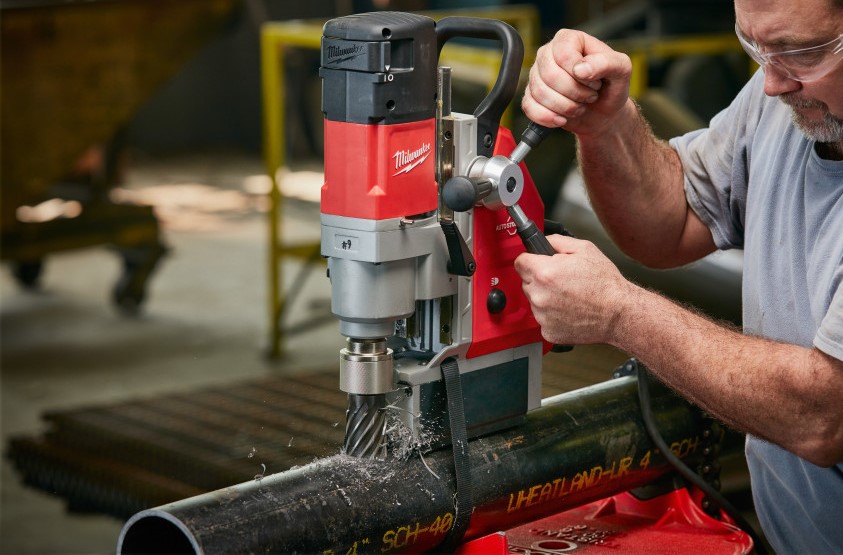
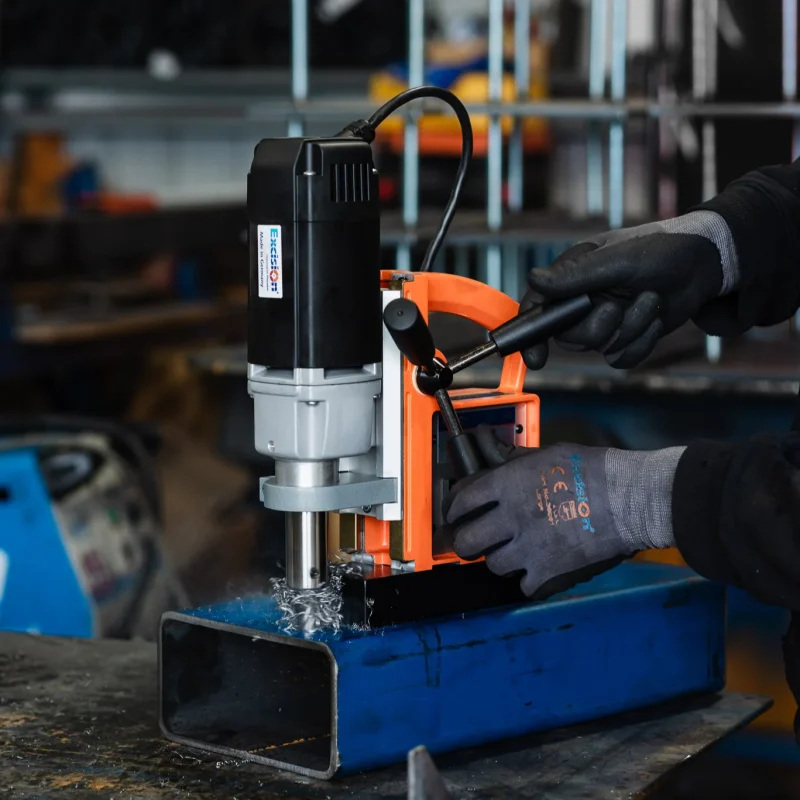
This may have happened to you as well: you purchase an expensive annular cutter, yet within the first few holes, the teeth burn out or, even worse, the cutter fractures. The first reaction is usually to blame the quality of the tool or the manufacturer. However, my 10 years of experience in the industrial tooling sector show that in 90% of cases, the problem is not the tool quality; the real issue is the mismatch between the annular cutter material and the steel grade of the workpiece.
Drilling a standard structural steel plate, such as ST37, is completely different from drilling a railway rail or a Hardox wear-resistant plate. Each steel grade responds differently to cutting forces. If you choose an annular cutter without identifying the steel grade and its hardness level, you are essentially wasting your investment. In this specialized article from Mateh Sera, we explain how understanding the steel grade of your material can significantly extend tool life and prevent premature cutter failure.
What Is Steel Grade and Why Is It So Important in Drilling?
When we talk about steel grade, we refer to the standardized classification of an alloy based on its chemical composition and mechanical properties. Two fundamental factors within a steel grade directly affect cutter selection:
- Hardness: The resistance of the metal surface to penetration (usually measured in Brinell or Rockwell C scale).
- Tensile Strength: The metal’s resistance to tearing or pulling forces.
As the steel grade increases (harder alloys), machinability decreases. Using a standard HSS annular cutter to drill a high steel grade material is like trying to cut stone with a kitchen knife; the only result will be a dull blade and excessive heat buildup.

What Is Steel Grade and Why Is It So Important in Drilling?
Classification of Steel Grades and Their Drilling Challenges
To choose correctly, you must first understand the opponent — the workpiece. In the Iranian industrial market, we mainly deal with three primary categories of steel grades:
Structural and Mild Steels (Low Carbon Steel)
- Common grades: ST37, ST44, ST52
• Behavior: These steel grades are relatively soft. The main challenge here is not hardness but “adhesion.” Chips tend to be long and continuous and may wrap around the cutter.
• Cutter selection: For this steel grade, standard HSS annular cutters are the most economical and practical choice. They offer high flexibility and good impact resistance.
Stainless Steel Grades
- Common grades: SS304, SS316
• Behavior: Stainless steels may not seem extremely hard initially, but they possess “work hardening” properties. The moment the cutter contacts the surface and heat increases, the drilling zone rapidly becomes harder.
• Cutter selection: For this steel grade, HSS-Co (cobalt) cutters or preferably TCT (tungsten carbide tipped) cutters must be used. Cobalt improves heat resistance and prevents premature tool burning.
Hard, Alloyed, and Wear-Resistant Steel Grades
- Common grades: Hardox 400/500, CK45, MO40, railway rails
• Behavior: These steel grades are inherently hard and abrasive. Penetration requires higher pressure and cutting teeth harder than the steel itself.
• Cutter selection: Using anything other than TCT (tungsten carbide tipped) cutters for this steel grade is unacceptable. HSS cutters will melt immediately when drilling Hardox-type materials.
Strategy for Selecting an Annular Cutter Based on Steel Grade
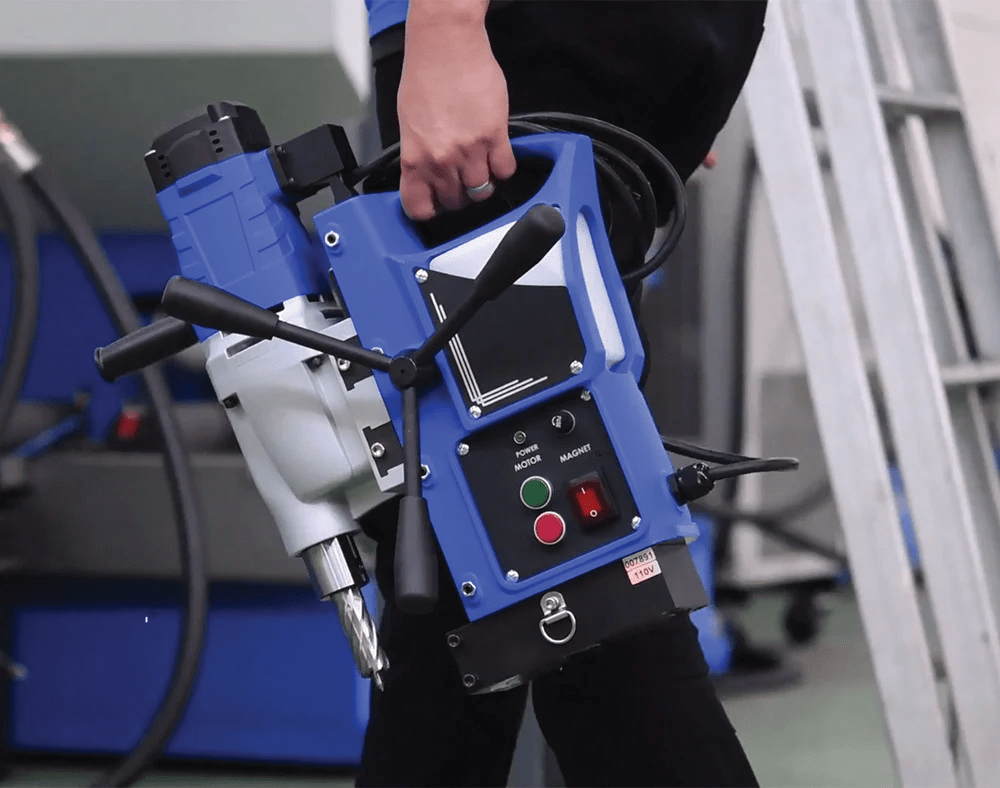
Now that we understand the different steel grades, let’s finalize the selection formula. Choosing the wrong annular cutter is not just the cost of buying a new tool; it also includes production downtime and idle magnetic drill machines.
When Should You Use an HSS (High-Speed Steel) Cutter?
Solid HSS annular cutters feature a one-piece body and cutting edge. These cutters are ideal for lower steel grade materials (below 500 N/mm² tensile strength). Their major advantage is that they can be resharpened if they become dull. If your project involves drilling structural beams or standard black steel plates, there is no need to spend extra—this model is the most economical and practical option for that steel grade.
When Should You Choose HSS-Co (Cobalt) Cutters?
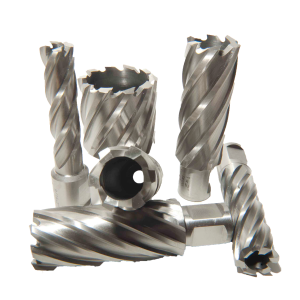
If you are working with moderately alloyed steels (such as high-grade seamless pipes or common stainless steels) and significant heat is generated during drilling, cobalt becomes essential. Typically, 5% or 8% cobalt is added to the cutter alloy to increase its melting point and heat resistance. These cutters are suitable for medium to high steel grade materials where higher thermal stability is required.
When Should You Choose HSS-Co (Cobalt) Cutters?
When Is TCT (Tungsten Carbide Tipped) the Only Effective Option?
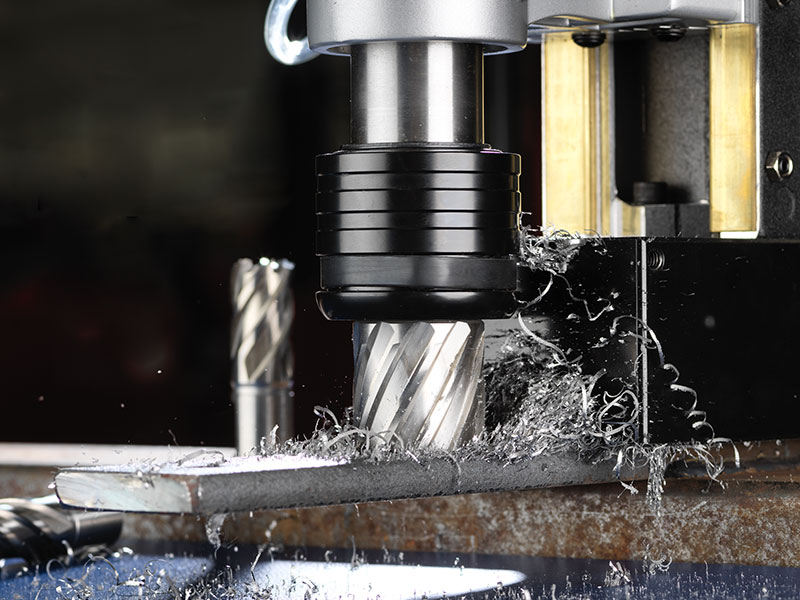
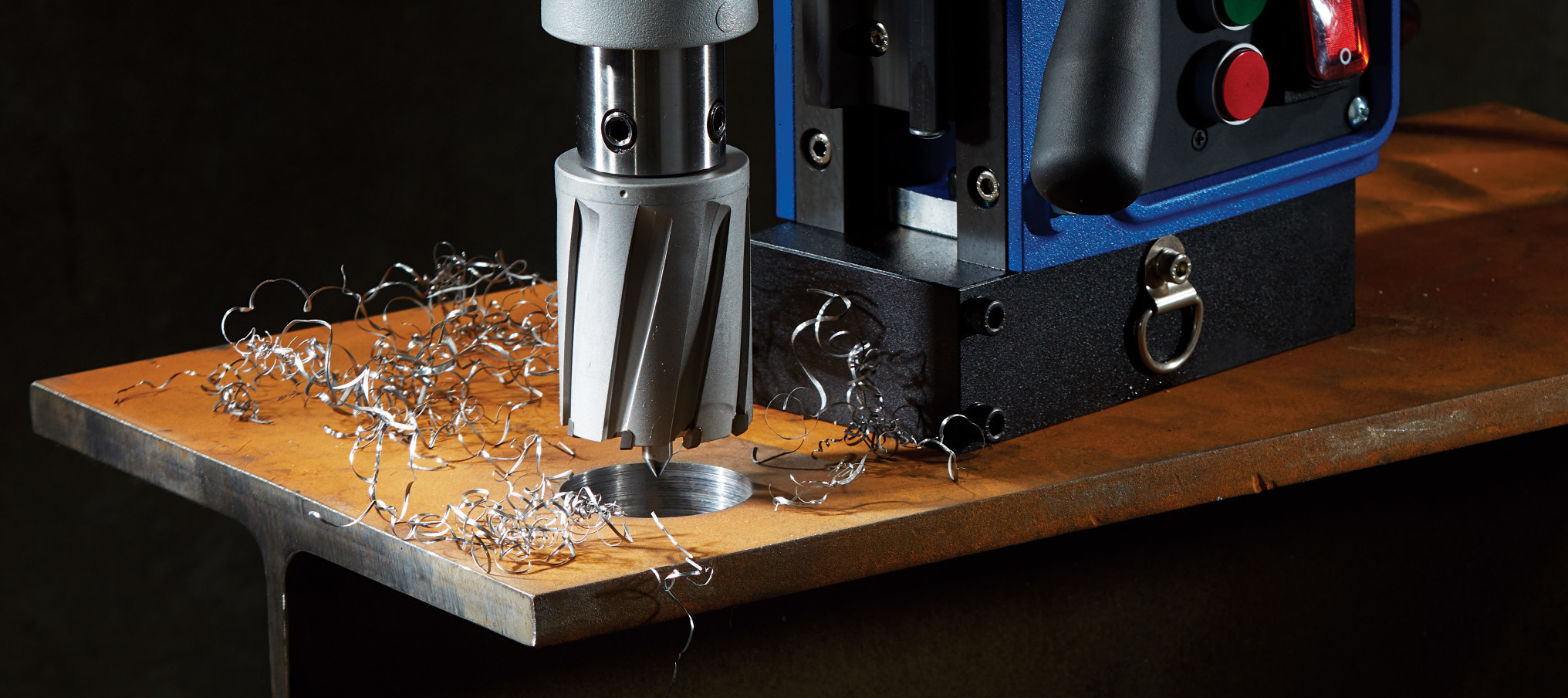
TCT annular cutters consist of a steel body with tungsten carbide teeth (the hardest material after diamond) brazed onto it.
- For steel grades above 900 N/mm²
• For Hardox and wear-resistant plates
• For larger diameters (usually above 40 mm)
• For accelerating production, since TCT cutting speed is significantly higher
When dealing with high steel grade and abrasion-resistant alloys, TCT is not a luxury—it is a necessity.
Quick Reference Table: Matching Cutter Type to Material and Steel Grade
For your convenience, dear engineers, we have prepared this practical reference table based on real project feedback from Rahmani Store customers:
| Material Type & Steel Grade | Approximate Hardness (HRC) | Recommended Cutter Type | Coolant |
| Structural Steel (ST37) | Below 20 | Standard HSS | Diluted soapy water |
| Structural Steel (ST52) | 20 – 25 | HSS / HSS-Co | Concentrated soapy water |
| Tool Steel (CK45) | 25 – 30 | HSS-Co / TCT | Cutting oil |
| Stainless Steel (304/316) | Variable (Work-hardening) | HSS-Co / TCT | Cutting paste or oil |
| Wear-Resistant Plate (Hardox) | 40 – 50 | TCT only | Special cutting paste |
| Railway Rail Steel Grade | Above 35 | TCT (Rail Grade) | Compressed air / oil |
Adjusting Motor Speed (RPM) Based on Steel Grade
One important point many operators overlook: purchasing the correct cutter is only half of the solution. The other half is properly adjusting the magnetic drill speed. The fundamental physics rule in drilling is:
The higher the hardness and steel grade, the lower the motor speed (RPM) must be.
If you are using a TCT cutter on a Hardox plate and the machine is set to high speed, the carbide teeth will break within seconds. For high steel grade materials, always use the low gear setting of the magnetic drill (Speed 1) and maintain steady, consistent feed pressure.
Technical Frequently Asked Questions
Can I use TCT cutters for all applications to be safe?
Technically, yes. A TCT cutter can drill soft steel grades as well. However, there are two disadvantages. First, TCT cutters are more expensive. Second, when used on very soft steel grade materials, they may cause vibration or produce burrs on the cut surface. For soft steel grade materials, HSS cutters often deliver a smoother finish.
Which cutter is recommended for drilling across weld seams?
Welded areas usually develop significantly higher hardness, and the crystal structure of the steel changes. In these zones, HSS cutters dull very quickly. The best option for crossing weld seams is a TCT cutter with specially reinforced teeth capable of absorbing impact.
Is using coolant (soapy water) mandatory for all steel grades?
For most steel grades, yes. However, in the case of cast iron, drilling is usually done dry or with compressed air. Cast iron chips are powdery, and when mixed with coolant, they form a paste-like sludge.
Conclusion and Professional Consultation
Understanding the steel grade is the boundary between a profitable project and a loss-making one. A cutter that performs perfectly in steel building construction may not deliver the same results in a petrochemical facility. As a technical manager or contractor, you should not allow an incorrect tool selection to waste valuable project time.
At Rahmani store group, we not only stock a complete range of HSS, cobalt, and TCT annular cutters from leading global brands (such as Grollen and FE Powertools), but we also place our technical expertise at your service. If you are unsure about the exact material of your workpiece or which cutter is appropriate for its steel grade, simply contact our technical department. By analyzing the steel grade and your working conditions, we recommend the most cost-effective and technically suitable option for your project.
Contact our specialists today to receive professional consultation and request a price quotation.